
YEREVAN, January 7. /ARKA/. In December 2025, Armenia’s financial market was characterized by a combination of moderate monetary easing, continued high growth rates in bank lending, and the continued development of capital market instruments. These processes reflect the desire of regulators and market participants to ensure macroeconomic stability and the sustainability of the financial system amid slowing inflation.
Monetary Policy
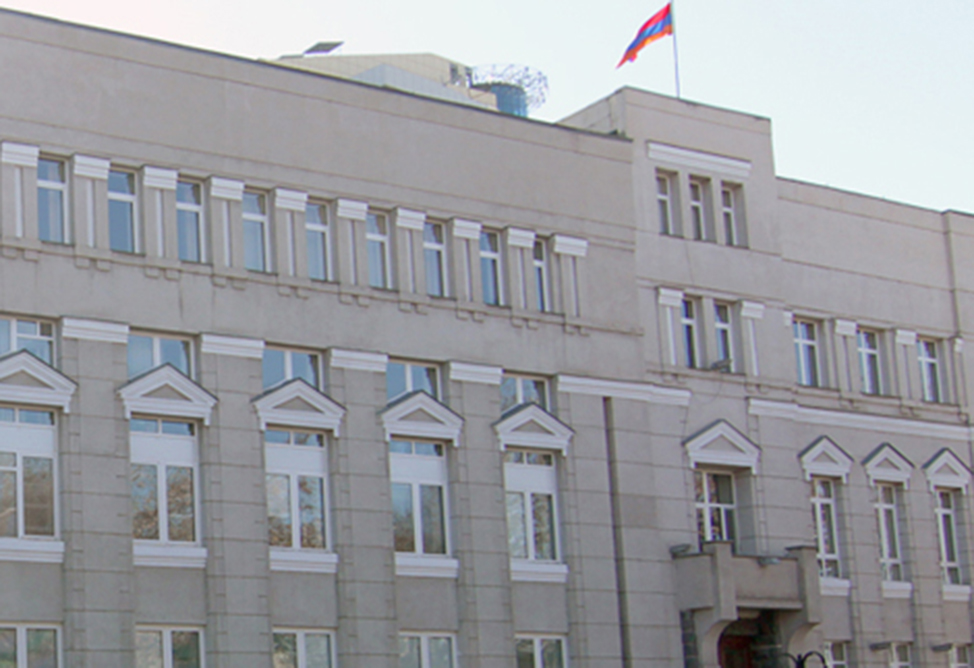
On December 16, 2025, the Board of the Central Bank of Armenia decided to reduce the refinancing rate by 25 basis points to 6.50%. According to the regulator’s official statement, the decision was driven by slowing inflation and its approaching the target range.
According to the Statistical Committee of Armenia, annual inflation in November 2025 amounted to 3.1%, approaching the Central Bank’s target of 4% ±1.5 percentage points. Core inflation also demonstrated a downward trend. The regulator emphasized that future interest rate decisions will be made taking into account core inflation dynamics, inflation expectations, and external macroeconomic factors.
Banking Sector

Armenia’s banking system continued to demonstrate high lending growth rates. According to the Central Bank, by the end of the third quarter of 2025, the total loan portfolio of banks reached 7.16 trillion drams, an increase of 29.9% year-on-year.
Amid the active expansion of lending, the Central Bank has increased its focus on risk management, compliance with anti-money laundering and combating the financing of terrorism (AML/CFT) requirements, and the operational and financial stability of the banking sector.
Budget and Domestic Borrowing

According to the Armenian Ministry of Finance, the state budget deficit for January–November 2025 amounted to 265.4 billion drams.
Under these circumstances, market participants focused increased attention on the parameters of domestic borrowing and the structure of government bond issues.
According to Central Bank auction data, the weighted average yield on 2-year government bonds in December ranged from 7.2% to 7.5% per annum, reflecting market participants’ expectations regarding the future trajectory of interest rates.
Capital Market

In December, the Armenian Stock Exchange continued to expand its range of corporate bonds. At the same time, the finalization of certain bank issues proceeded as usual, without negatively impacting the market.
Investment company analysts and market participants note that corporate bonds retain the potential to become a key growth segment in the capital market in 2026, amid increasing institutional maturity and interest from institutional investors.
Foreign Exchange Market and International Reserves

According to the Central Bank of Armenia, the country’s international reserves as of the end of November 2025 amounted to approximately USD 4.2 billion, equivalent to approximately 4.5 months of imports of goods and services. This level of reserves continues to be viewed as a key element in maintaining confidence in the country’s financial stability amid monetary easing.
Result
Thus, December 2025 marked a period of relative balance for Armenia’s financial market: the easing of monetary conditions was accompanied by steady lending growth, while capital market development was accompanied by stricter requirements for transparency and sustainability. These factors together form the basis for a more balanced and structured development of the financial system in 2026.