YEREVAN, March 16. /ARKA/. The past week in the Armenian financial market was marked by discussions of capital market development prospects at a specialized international conference, regulatory initiatives from the Central Bank, and changes to the insurance system. The agenda also included the dram’s exchange rate dynamics, publications on sustainable finance, and measures to protect clients of financial institutions.
1. Capital Markets: The 4th Capital Markets Armenia Conference was held in Yerevan
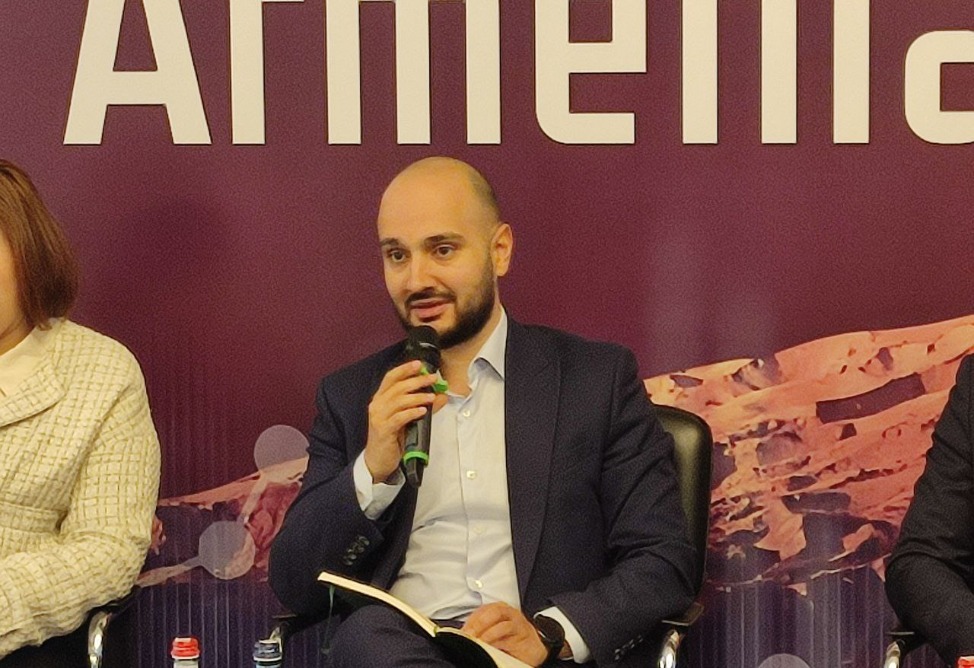
On March 13, the 4th international Capital Markets Armenia conference was held in Yerevan. It was dedicated to the development of the Armenian capital market and its integration into the international financial system. According to its organizer, Cbonds, the event was attended by over 250 representatives of regulators, commercial banks, investment companies, international financial organizations, and infrastructure institutions from various countries.
The forum traditionally serves as a professional platform for discussing the state of the financial system and capital market infrastructure, as well as for the exchange of experience between participants from regional financial centers and international investment institutions.
2. Payments and Remote Services: The Central Bank of Armenia Introduces a Framework for Self-Blocking Online Transactions
On March 11, the Central Bank of Armenia announced that, starting July 1, 2026, consumers will be able to voluntarily block online financial transactions with a single tap through bank mobile apps or financial institution websites. This requirement will apply to banks, credit institutions, and payment and settlement companies.
This measure applies to remote banking transactions, including online loan applications, fund transfers, and account transactions. The introduction of the self-blocking mechanism is aimed at enhancing customer protection in digital service channels and reducing the risk of fraud.
For financial institutions, this may mean implementing the appropriate functionality in mobile and online banking services, while for clients and businesses, it may mean developing an additional tool to control remote transactions.
3. Banks and Compliance: Regulator Warns of Increase in Telephone Fraud
On March 13, the Central Bank of Armenia warned of a rise in telephone fraud cases, in which scammers pose as employees of telecommunications companies and offer to install apps or provide remote access to a device. These actions could result in access to banking applications and customer accounts.
The context of the warning is related to the spread of social engineering and the use of remote communication channels. For the banking sector, such cases could affect issues of digital service security, operational risk management, and customer communications.
4. Foreign Exchange Market: Dram Remains Stable Against the Dollar
According to the Central Bank of Armenia, the official dollar exchange rate remained near 377 drams throughout the week. The euro exchange rate showed more significant fluctuations against the dram. The Russian ruble exchange rate showed weak volatility.
Maintaining dollar stability could be important for bank settlements and contracts in import-export transactions, where the dollar remains the primary settlement currency. More volatile euro dynamics may reflect the impact of external currency markets.
5. Banks and Sustainable Finance: The Central Bank of Armenia presented its Sustainability Report
On March 10, the Central Bank of Armenia presented its “Sustainability Report 2025,” outlining its approaches to sustainable development in the context of financial stability. The document outlines approaches to managing climate-related risks, the use of data and technology, and the development of sustainable and green financing instruments.
The report may outline areas for the banking system’s work in sustainable finance and risk management, including the consideration of climate factors and the development of relevant analytical tools. The report also outlines specific steps for the banking sector in 2026.
6. Insurance: OSAGO payout limits will increase from April 1
Amendments to Armenia’s compulsory motor third-party liability insurance (OSAGO) system will come into effect on April 1, 2026, increasing the maximum limits for insurance compensation. As reported by the Central Bank of Armenia on March 11, the limit for property damage compensation per victim will increase from 1.8 million drams to 2.5 million drams, while compensation for damage to life and health will increase from 3.3 million to 3.5 million drams.
Furthermore, the overall limits for insurance payments per road accident for all victims will increase to 25 million drams for property damage and 35 million drams for damage to life and health. The changes were approved by the Armenian Bureau of Motor Insurers.
Adjusting insurance coverage for road users and insurance companies may mean updating insurance payment parameters and adapting pricing and operating practices to the new limits.
Weekly Summary
The week in the Armenian financial market was characterized by a combination of institutional discussions and regulatory decisions. The agenda focused on capital market development, sustainable financing, customer protection in digital channels, and updating insurance parameters.
The primary focus has shifted to the infrastructural development of the financial system and increasing the resilience of its individual segments. Market participants are focusing on improving digital services, expanding funding instruments, and updating the regulatory framework for the insurance and banking sectors.