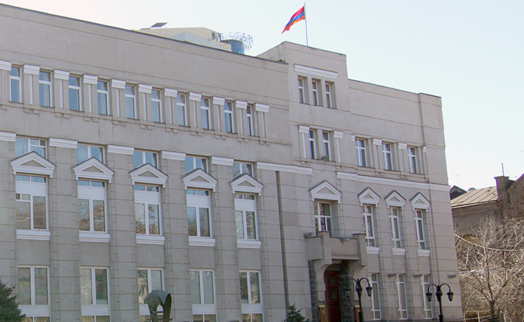
Central Bank lowers reserve requirements in national currency from 4% to 2 %

YEREVAN, February 24. / ARKA /. Armenia’s Central Bank has lowered the reserve requirement in the national currency, the dram, from 4% to 2 % late last year as part of easing its monetary policy.

The regulator said also in a report that it intends to continue easing its monetary policy throughout 2014, to be stimulated , in particular, by its decision last December 24 to reduce the reserve requirement in drams from 4% to 2%. Last time the Central Bank did so was in 2013 April when it lowered the indicator from 12% to 8%.

As part of its strategy to weaken the monetary policy the Central Bank in February cut its key refinancing rate from 7.75% to 7.5% According to the Central Bank’s regulation, the minimum reserve requirement in foreign currency did not change standing at 12%. -0-

spot_img

POPULAR

Armenia’s banking system is capitalized significantly above regulatory requirement: Central Bank Governor

Armenia's banking system is adequately capitalized and has sufficient liquidity buffers, stated Central Bank Governor Martin Galstyan.

Euro, dollar, and ruble exchange rates against the Armenian dram fell: Central Bank of Armenia

The average market exchange rate for the US dollar against the Armenian dram, formed on the Armenian foreign exchange market as of May 26, 2026, fell by 0.27 points compared to May 25, to 367.74 drams.

VTB (Armenia) Offers Package Offer for Sole Proprietors

VTB (Armenia) has launched a package offer for sole proprietors, including a current account, a business card, and a remote banking system.

Armenia to Receive €170.3 Million IBRD Loan for Economic Transformation

On Wednesday, the Armenian government approved a proposal to sign a €170.3 million loan agreement with the International Bank for Reconstruction and Development (IBRD, a World Bank entity).

Armbanks Weekly Digest: Key Events in Armenia’s Financial Market (May 18-24)

Last week, the Armenian financial market focused on bank restructuring mechanisms, the tax model for bank dividends, the regulatory agenda, comments from international financial institutions, and the development of financial literacy.

LATEST NEWS

spot_imgspot_imgspot_img