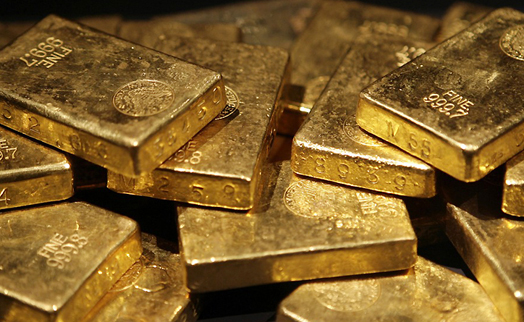
YEREVAN, October 8. / ARKA /. Given the current prices of gold Armenia’s Central Bank is not going to buy it from international markets now, a deputy governor of the Central Bank, Nerses Yeritsyan, told the parliament on Tuesday and recalled that Armenia has no gold reserves at all.
In late 2003 the Central Bank made a strategic decision not to use gold in its external gross reserves and sold 1.4 tons of gold for $17 million. The move was explained by ‘the high liquidity on the gold market over the past few years.’
The Central Bank said at that time that ‘the high correlation between gold and the euro means that even without gold in international reserves the necessary level of diversification can be maintained and at the same time the yield of international reserves can be raised.”
In 2004 the Central Bank converted the proceeds raised from the sale of gold reserves to pounds. After the pound gained 8.4% against the US dollar, the Central Bank’s real return was about 13%, while the return on investment in gold could reach a maximum of 9%, solely due to an increase in gold price.
The net income from the sale of Armenia’s gold reserves amounted to 3 bln Armenian drams. The entire gold reserve, which over the years was estimated at $1–$18 million was sold at the best price – more than $400 per troy ounce.
According to Yeritsyan, the current structure of the Central Bank’s reserves allows it to secure the necessary revenue. He argued that not only Armenia, but many other countries have refused to keep gold as a reserve, ‘because now this asset does not differ from other currencies.’
According to the Central Bank, international gross reserves of Armenia in late August 2015 stood at $1. 646 billion, having decreased by 3.3% from the previous month. ($ 1 – 480.33 drams) .- 0-