YEREVAN, April 2. /ARКА/. Loans issued by Armenian banks to small and medium-sized enterprises (SMEs) in 2024 amounted to 1.6 trillion drams, said Daniel Azatyan, Chairman of the Union of Banks of Armenia (UBA).
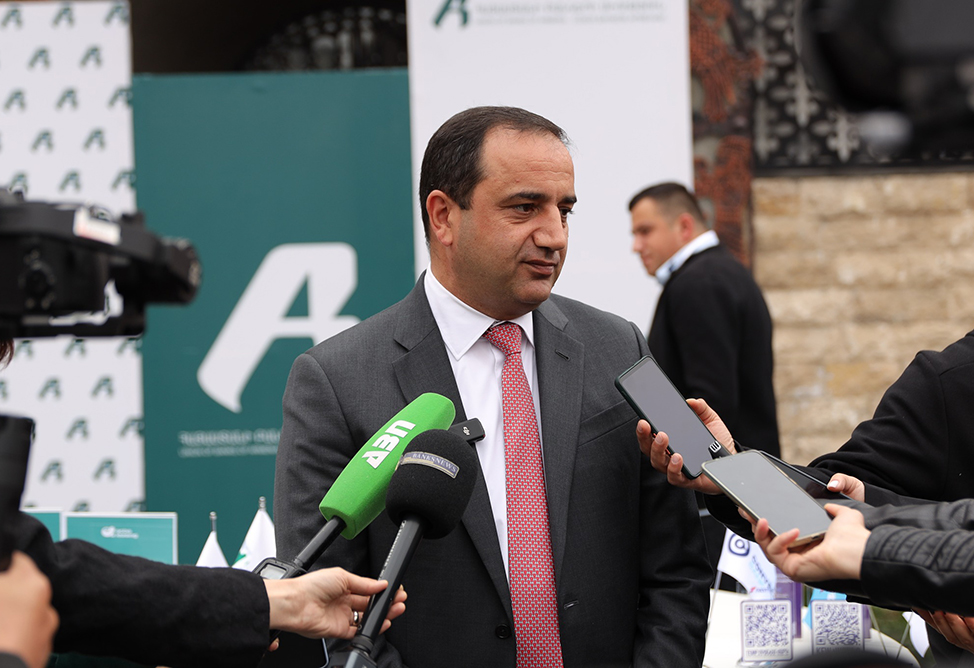
“The total volume of loans issued by Armenian banks in 2024 is 6.4 trillion drams, of which 3.1 trillion drams are loans issued to businesses. At the same time, 1.6 trillion drams of this amount are loans issued to SMEs, which is about 25% of the total loan portfolio of banks,” Azatyan told reporters on Tuesday on the sidelines of the conference “Opportunities and Prospects for SME Financing”.
According to his estimates, this is a good indicator, and with its growth and the increase in the number and capabilities of SMEs themselves, everyone will benefit.
Answering a question from the ARKA news agency about the dynamics of this indicator, Azatyan said that over the past five years, growth, although small, has been recorded. He also noted that the greatest activity is demonstrated by companies in the agricultural sector.
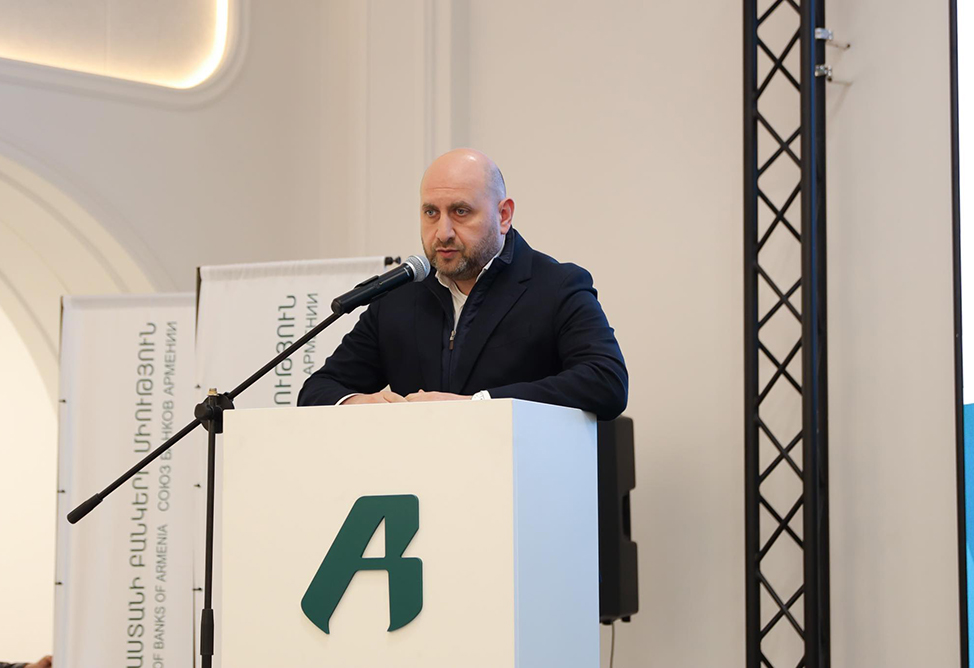
The conference “Opportunities and Prospects for SME Financing” was organized by the Union of Banks of Armenia jointly with the Central Bank and the German-Armenian Fund (GAF). The purpose of the event was to present SME lending programs implemented by Armenian banks at the expense of their own resources and various international programs, their effectiveness, as well as the possibilities of expanding financial access through digitalization and technological innovation.
The event was attended by about 300 participants, including members of the government, deputies, the management of the Central Bank, bank heads, the leadership of the Aragatsotn regional administration, as well as representatives of international financial organizations. -0-