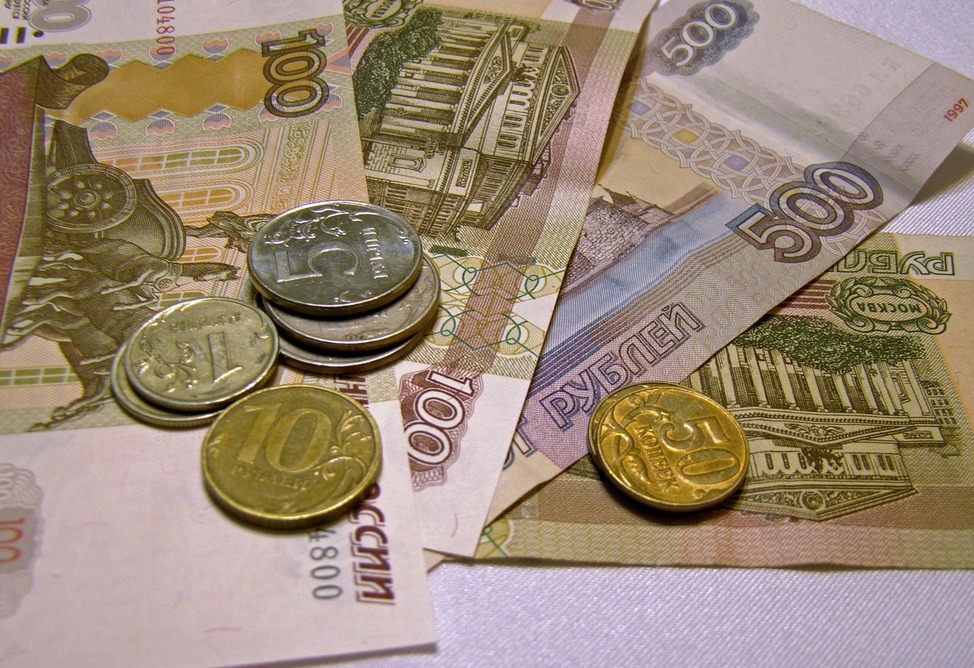
YEREVAN, August 4. /ARKA/. The situation with the acceptance of Russian cash rubles by Armenian banks will be largely resolved, stated Daniel Azatyan, Chairman of the Union of Banks of Armenia.
At the end of June, Russian media reported that some Armenian banks had stopped accepting Russian banknotes, conducting transactions with cash rubles, and crediting them to accounts.
The Central Bank of Armenia previously told ARKA that the regulator had not made any decisions to restrict the acceptance of Russian cash rubles by banks and had not issued any corresponding instructions to financial institutions. The Central Bank also noted that banks independently decide on establishing business relationships with clients.
According to Azatyan, in May, the Bank of Russia recommended that financial institutions strengthen controls when accepting large amounts of cash. “According to our information, the Central Bank of Russia has recommended that financial institutions not accept large amounts of cash or tighten requirements for confirming their origin, validity, and legality. We assess that the goal was preventative measures related to cash transactions in the shadow economy within Russia,” Azatyan said at a press conference on Tuesday.
He added that restrictions later affected cash entering the Russian banking system from other countries, including Armenia.
Azatyan stated that after Russian partner banks temporarily stopped accepting cash rubles from Armenian banks, the latter were forced to limit such transactions, increase exchange margins, or impose fees.
The head of the SBA reported that the Central Bank of Armenia is negotiating with its Russian partners on this issue.
“The negotiations are proceeding positively. It is planned to establish limits that meet our needs, within which Armenian banks will be able to export cash rubles. The problem will undoubtedly be largely resolved,” he said. Azatyan noted that the Russian side requires confirmation of the legal origin of the funds.
“The requirements have been tightened. The Russian side emphasizes that its goal is to reduce the circulation of cash rubles both within Russia and abroad,” the head of the UBA said.