Depositors are back to banks again

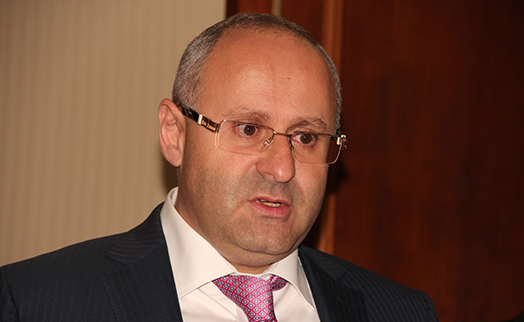
YEREVAN, May 18. / ARKA /. Ashot Osipyan, the chairman of Araratbank Board, said today that the depositors who hastened to withdraw their deposits from local banks during the recent political crisis are now coming back.

“In the first days of the nation-wide protests, some of depositors withdrew their deposits from the banks, which is typical for the current situation, since money likes peace, but now we see a return tendency,” Osipyan said during discussions organized by the Club of Economic Journalists.

He said, however, that the outflow of deposits was much less than expected, but refrained to specify.
Nationwide mass protests made prime minister Serzh Sargsyan to step down on April 23. On May 8 protests leader Nikol Pashinyan was elected prime minister of Armenia. -0-

spot_img

POPULAR

“Unisport” Advances to the Main Round of the UEFA Futsal Champions League

Armenian champions and cup winners "Unisport" have secured a place in the main round of the UEFA Futsal Champions League after recording three consecutive victories in the preliminary round of the tournament.

Armenia approves €80 million loan agreement with OPEC Fund

At a meeting on Thursday, the Armenian government approved a draft loan agreement with the OPEC Fund for €80 million as part of the "Armenia Economic Transformation Program."

Up to AMD 1 billion in business financing: Byblos Bank Armenia’s new offer

Byblos Bank Armenia is offering preferential terms for businesses seeking financing or refinancing, including:

Euro, dollar, and ruble exchange rates against the Armenian dram rose after declining in previous days: Central Bank

The average market exchange rate for the US dollar against the Armenian dram, determined on the Armenian foreign exchange market, increased by 0.05 points on September 3, 2026, compared to September 2, to 364.19 drams.

Armbanks Weekly Digest: Key Events in the Armenian Financial Market (August 24–30) 

Armenia's financial agenda last week was determined by the Central Bank's inflation signals and monetary policy transmission, the state of international reserves, and the state's debt parameters.

LATEST NEWS

spot_imgspot_imgspot_img