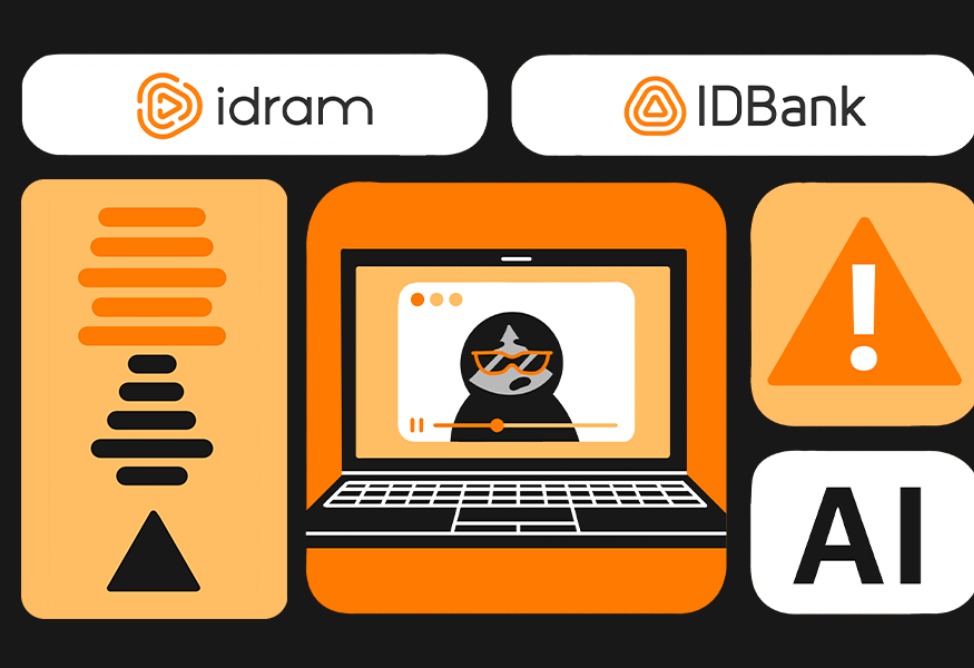
YEREVAN, June 17. /ARKA/. A new, extremely dangerous type of fraud has spread in Armenia, in which fraudsters use artificial intelligence to copy the appearance and voice of your relatives, friends, or colleagues.
The mechanism of deception: a digital copy instead of reality
Scammers use neural networks to create realistic video or voice messages in which your relative, close friend or colleague approaches you with an ”urgent” issue.
To train artificial intelligence scammers only need a few minutes of video or audio message from open sources, such as Instagram stories, Facebook posts or YouTube videos. The result is a digital copy, voice, and face that are almost indistinguishable from a real person.
If just a few years ago it was possible to distinguish a copy by unnatural lip movements, lack of blinking, or other signs, then modern versions of artificial intelligence almost perfectly copy reality. Relying only on attention is no longer enough.
The main scenarios used by the scammers:
”Family emergency’’. A video call or voice message in the messenger from a ”son” or ”daughter” urgently asking to transfer money to pay for medical treatment after a car accident or to compensate a “victim.”
”Loss of access”. A message from a ‘’friend’’ about losing their phone, as well as a request to transfer money to a new account,
‘’Corporate request’’. Through a video message or voice message, the ‘’manager’’ asks the employee to urgently send the password to the work folder or confirm the transfer of money from the corporate account.
The main emphasis is on visual and audio similarity, which paralyzes critical thinking. When we see a familiar person, the level of trust increases, and we make the transfer before we even realize the deception.
Legal trap
If you transfer money or provide confidential information yourself, trusting the digital copy, then from the bank’s point of view, the transaction is legal. Voluntary transfer by the account user is not subject to cancellation. The same applies to the voluntary provision of passwords: in such cases, the client bears responsibility himself.
IDBank recommends:
Do not rely on one means of communication. The most important rule: if you receive a disturbing request from a relative, immediately call him back with a regular call or text him via another messenger. Do not reply to the same message, but use an alternative, verified contact number.
Keep a “secret” question. Ask about a detail that only you and the person, on whose behalf you received the message, know. Scammers will most likely hang up the call.
Do not rush. Even if the situation seems critical, take a break. A relative will never judge you for the few minutes you spend checking.
Discuss this topic with your family. Especially in the case of elderly parents who may not know about the existence of digital copies. Forewarned is forearmed.
Remember: scams are becoming more and more technological, and today even your eyes and ears can decieve you. The only reliable protection is your vigilance and a simple rule: check any request for money and data before making a transaction. Your funds are safe until you transfer them to someone else.
THE BANK IS SUPERVISED BY THE CBA