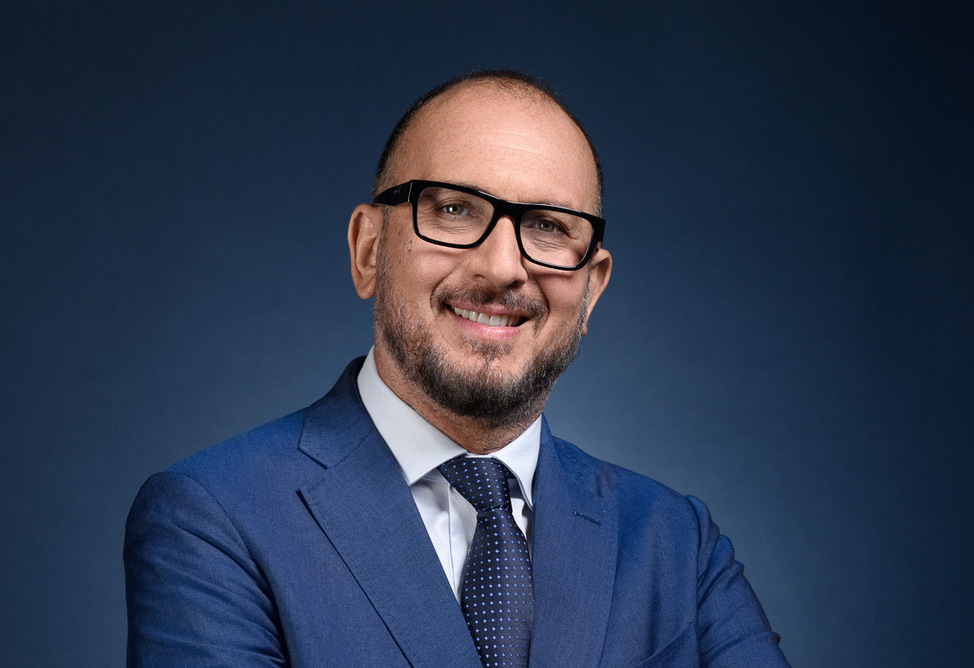
YEREVAN, July 1. /ARKA/. Effective today, Fabrizio Zarcone becomes the World Bank Group Country Manager for Armenia, unifying country-level leadership across the institution to better support Armenia’s public and private sector needs.
Why this matters: The move creates a single point of contact for the full breadth of World Bank Group products and services—spanning the International Bank for Reconstruction and Development (IBRD), the International Finance Corporation (IFC), and the Multilateral Investment Guarantee Agency (MIGA).
This integrated representation will enhance the World Bank Group’s ability to deliver integrated solutions with greater speed, efficiency, and impact, while bringing together its full range of financing, advisory services, and private sector expertise to support Armenia’s development priorities.
The big picture: In Armenia, the World Bank Group is implementing its five-year Country Partnership Framework for FY2025–FY2029, which focuses on creating more and better jobs, strengthening human capital, and building resilience to economic, environmental, and social shocks. Through integrated public and private sector engagement, it supports economic growth and private investment, enhancing opportunities for people across the country.
Fabrizio Zarcone brings more than two decades of international development experience to the position. Since joining the World Bank, he has held a range of leadership and operational roles across Europe, Central Asia, and other regions, working closely with governments to advance reforms, strengthen institutions, and promote sustainable and inclusive development. Most recently, he served as the World Bank Country Manager for Armenia.
The introduction of joint country representation is an important step toward building a stronger World Bank Group by unifying leadership at the country level.
By the numbers:
- Since joining the World Bank in 1992, Armenia has received over $2.5 billion in financing, supporting infrastructure, education, health, social protection, and public sector modernization.
- Since becoming an IFC member in 1995, Armenia has benefited from over $2 billion in IFC investments, including mobilization — driving economic transformation through investment climate reforms, infrastructure development, and expanded access to finance for micro, small, and medium enterprises.
- Since becoming a MIGA member in 1995, Armenia has benefited from MIGA guarantees supporting private investment in strategic infrastructure. MIGA’s current portfolio includes a $39.2 million guarantee for equity investments in ArmPower CSJC for the Yerevan Combine Cycle Gas Power Plant.